Category: innovation

  • Member-owned health fund

    Member-owned health fund

    Gaps in health care across regional Australia are an ongoing concern for communities. Deepend was engaged to research into people’s experiences and then to develop a new digital product that aims to help the health fund’s members access and navigate health care.

    Following our insights gathered in the research phase, we helped the client prioritise their ideas and develop a product direction. From a variety of proposals they chose the idea of a preventative health app. Once the product direction was established, we designed the app from first principles to launch, scheduled for May 1, 2025.

    Leading product design, I was instrumental in planning and delivering research, journey mapping, identifying possible future products.
    Once the product to be designed was decided, I was responsible for creating personalised product logic, co-creating features and delivering complete experience design.

    Phase 1: Research & Innovation

    Members interviewed

    Exploring health journey experiences

    Stakeholder workshops

    Close collaboration from context to ideation

    80+

    From the immediately actionable to never heard

    Product directions

    Evaluated and prioritised using R. I. C. E. framework
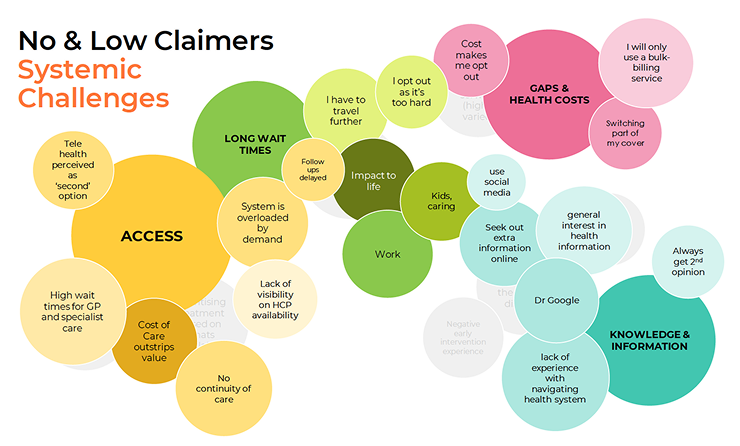
    Experience deep dive

    Over 2 months of research, from category desktop research over stakeholder context to in-depth interviews with identified member cohorts, we investigated the health care experience of regional Australians.

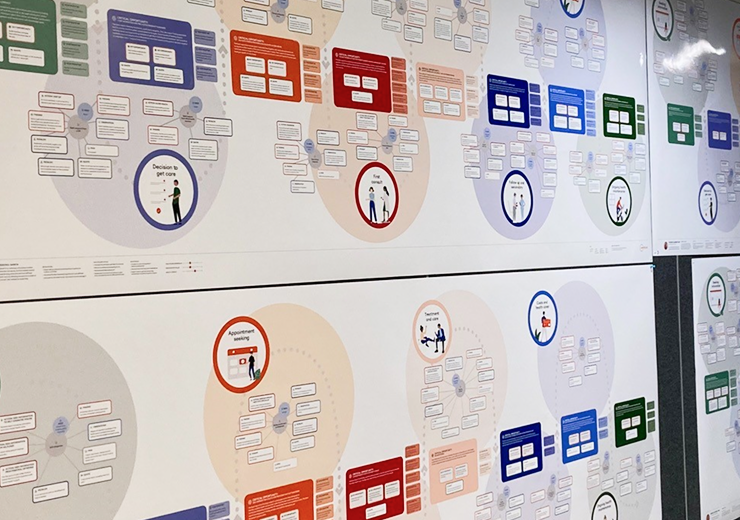
    Journey mapping

    We mapped their journeys, with special consideration to showing how key opportunities arise from experience. Finalised maps are now proudly displayed at client offices.
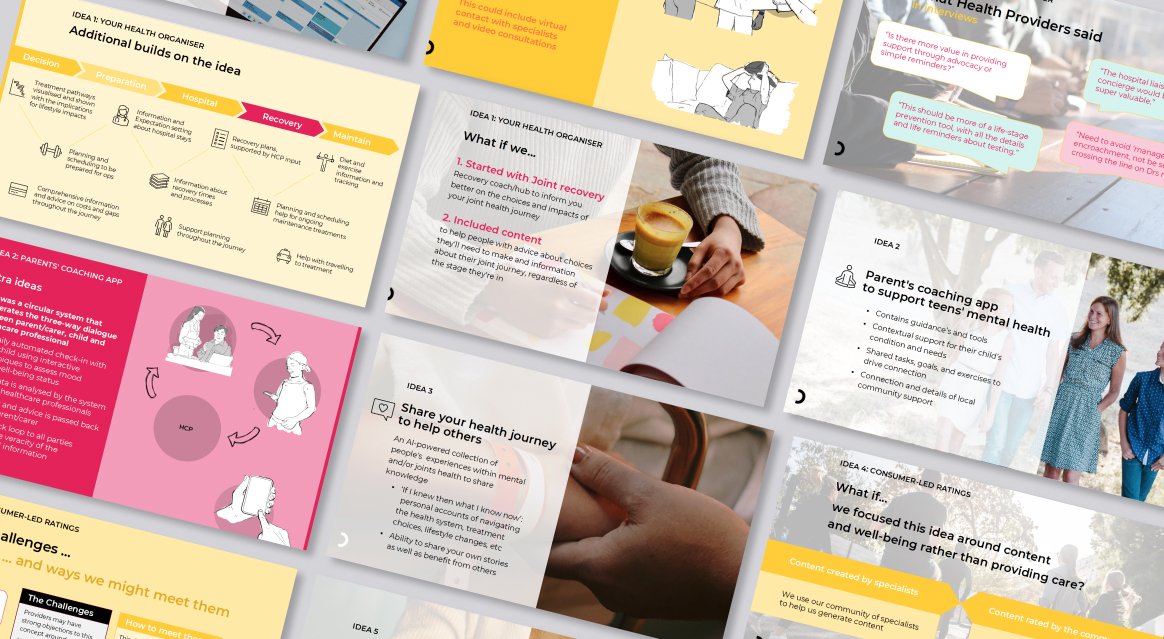
    From insights to features

    From the many opportunities we identified, we generated 6 product ideas that were refined in co-creation with the client.

    Phase 2: Product Design

    We moved from developing a digital product strategy and early ideation to MVP product design. The idea the client decided to develop is centered around encouraging health fund members to stay on track with important health checks and taking up wellbeing programs that are part of their plan. In future phases the product will also allow bookings for health checks and earning rewards.

    Co-creation

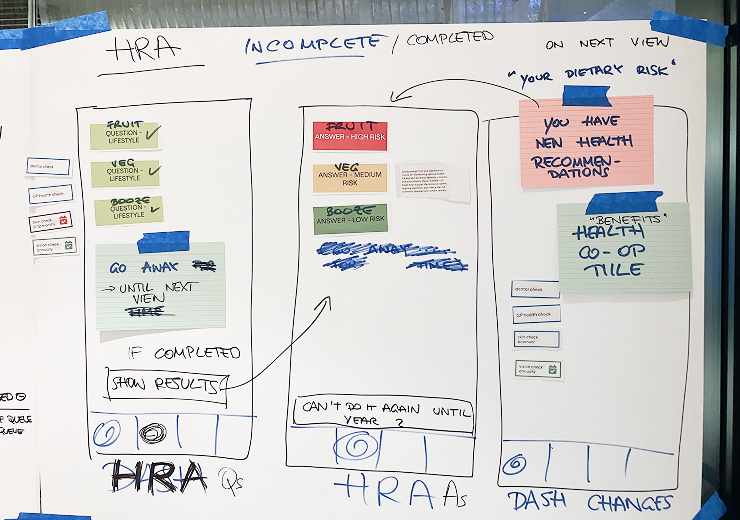
    We ran a series of flexible co-creation workshops with the client team to guide them through decision-making for app features and business rules.
    Experience design

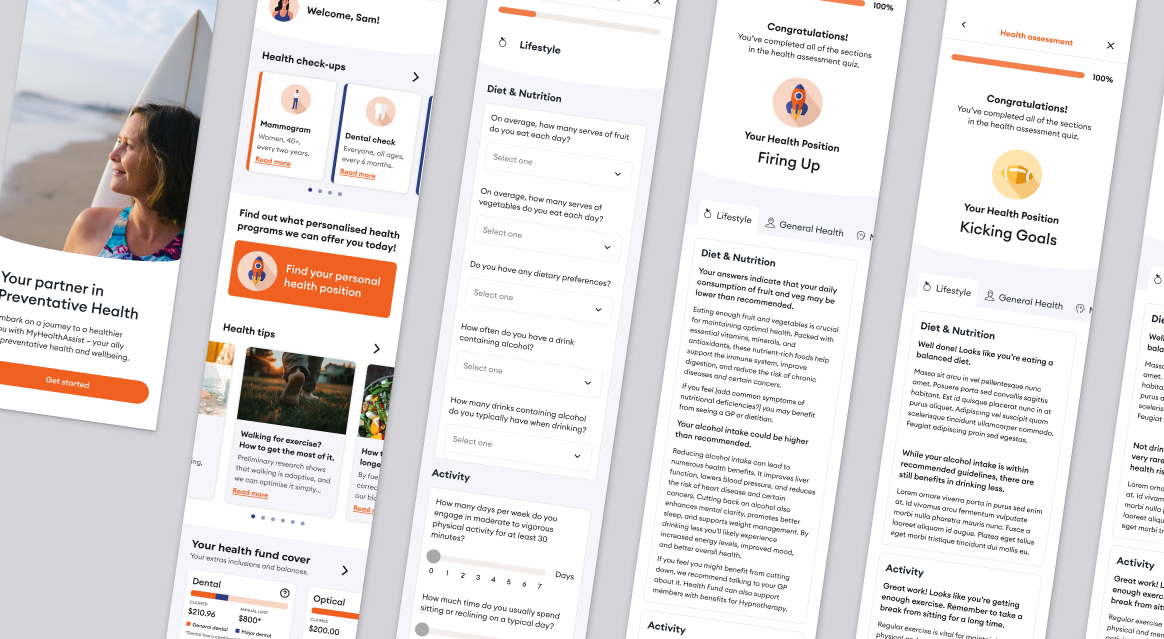
    I then wireframed all parts of the product so that the client team could quickly write copy and decide on content hierarchy.

    Personalisation rules

    Designing a system of rules for what content will be offered to which user set, based on their answers in an online health questionnaire.
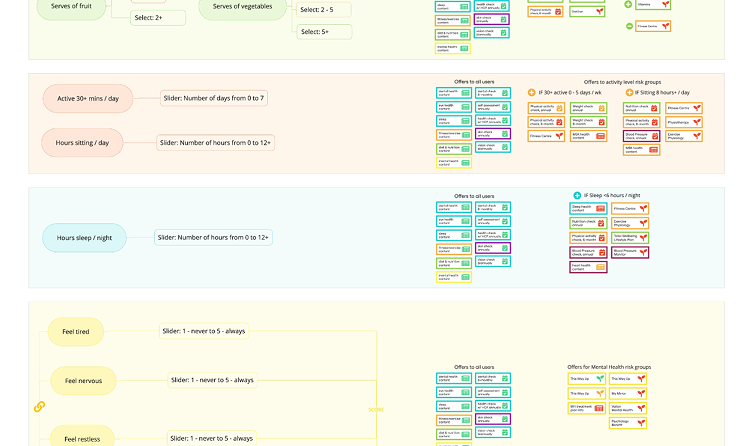
    MHA personalisation rules

    Sneak preview of the final product design
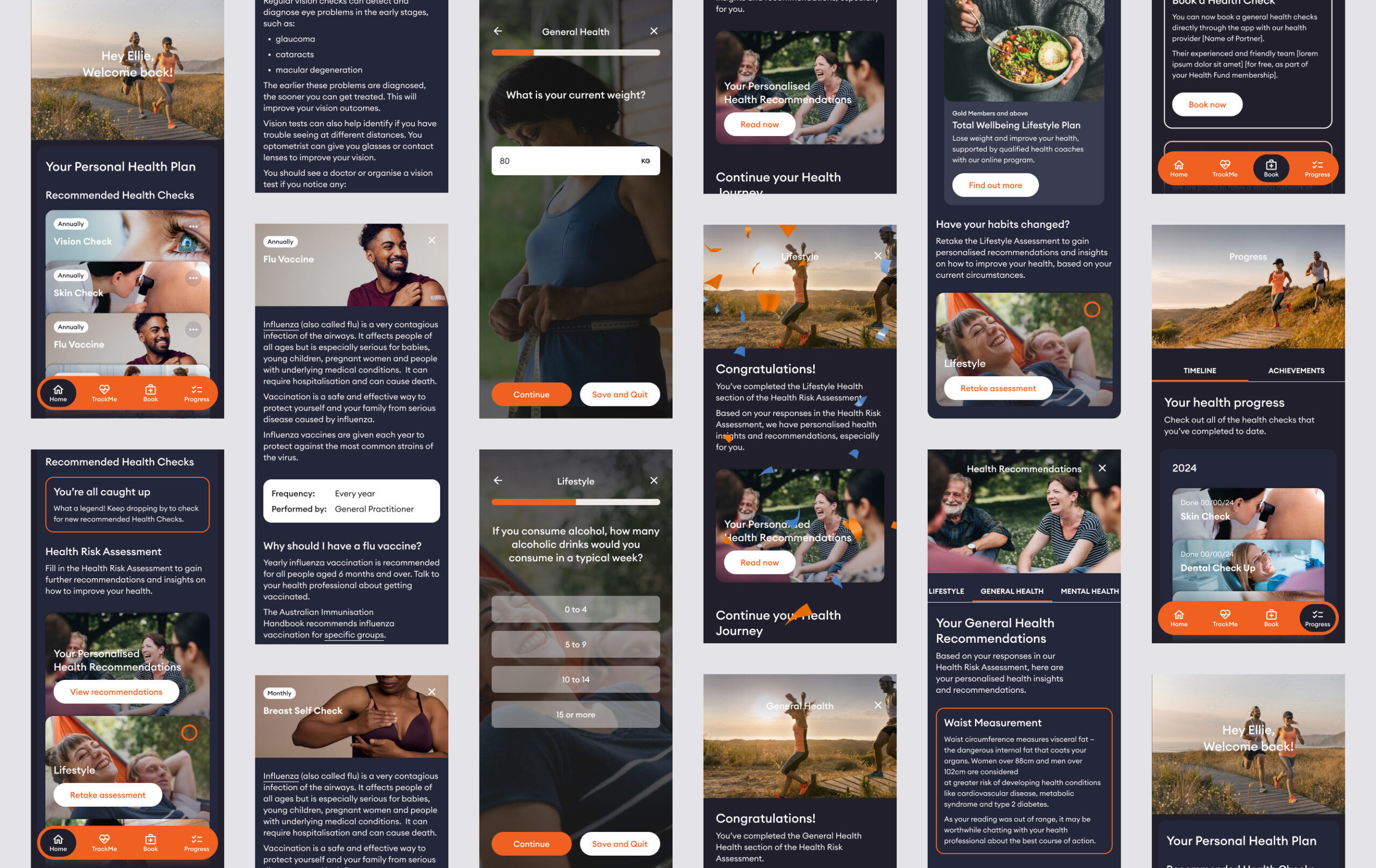
    Preventative health app - final design
  • Sound Surge

    Sound Surge

    A Collaborative Update

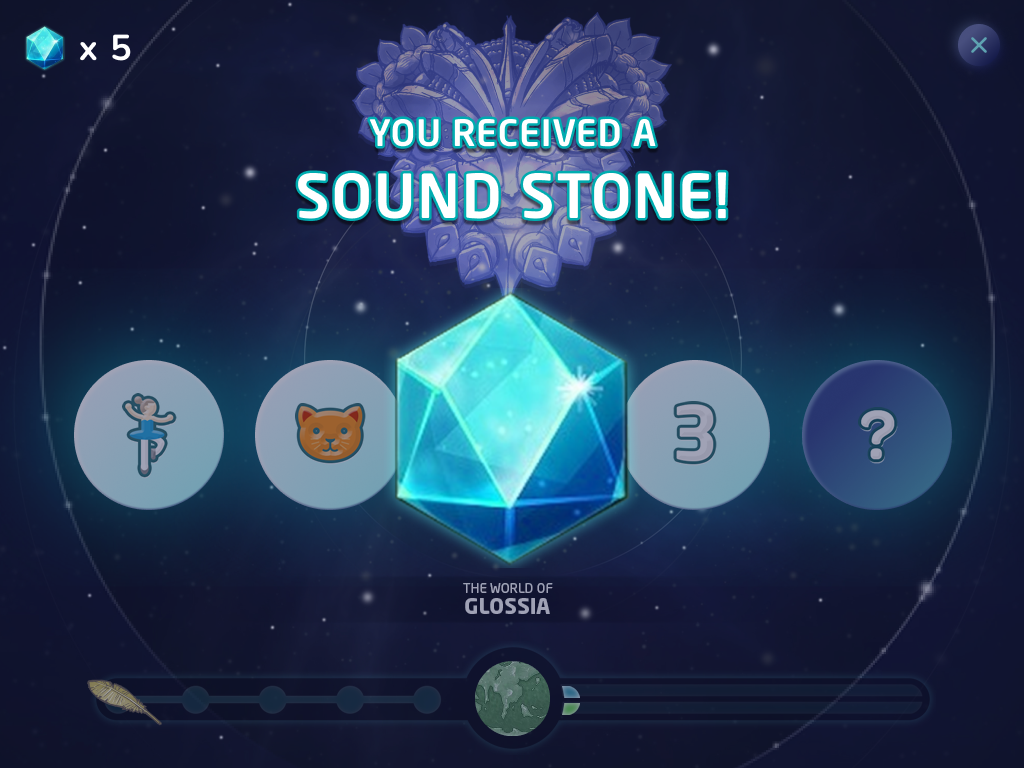
    Sound Storm was originally developed by Deepend for National Acoustics Laboratory before I joined the company. I have been leading the experience design on various updates and continuous improvement projects.

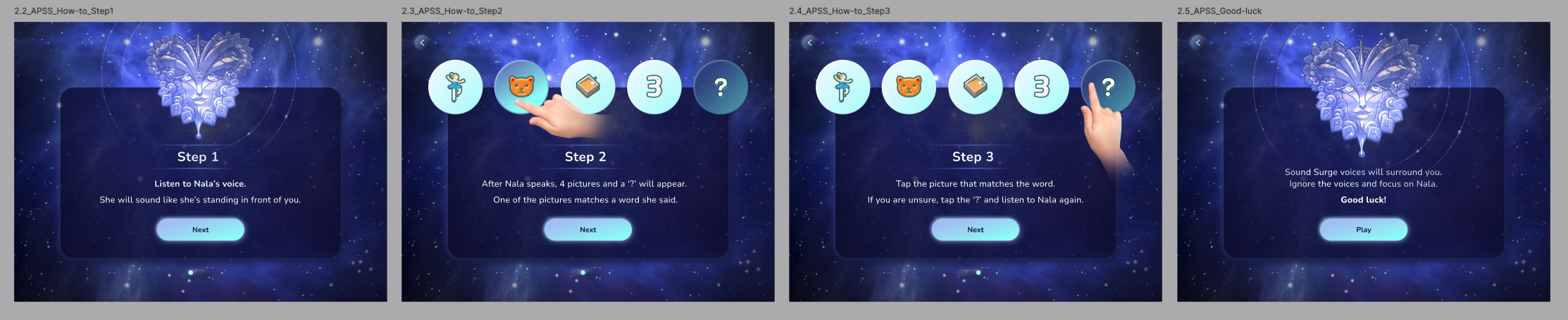
    This large update, called Sound Surge, is currently in development and takes Sound Storm to a new market in the US.

    The original award winning project is described well in this case study by Deepend

    Sound Storm story design hero Suno the lion
    Sound Storm digital product map

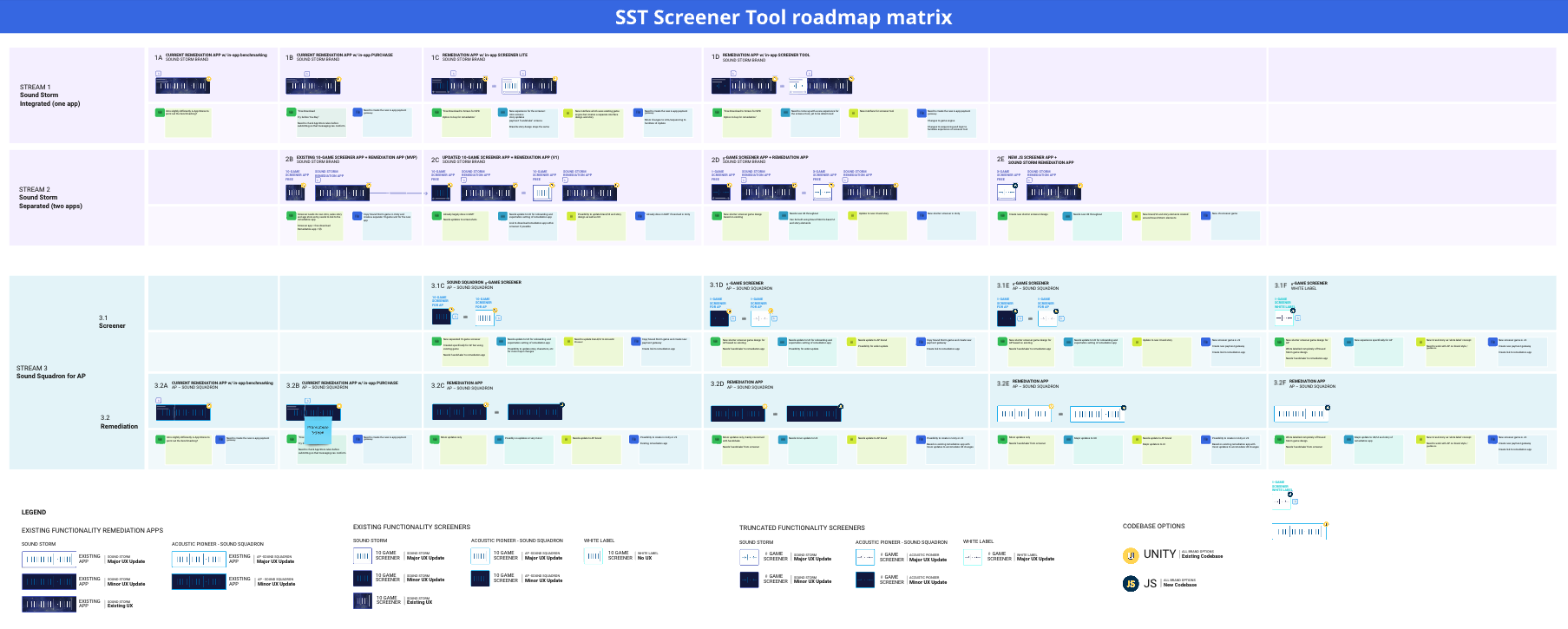
    Roadmapping Digital Product Options

    The complexity of options available to us in creating a new digital product out of the legacy Sound Storm app required us to communicate possibilities with all stakeholders. So, Deepend founder Matt G and myself collaborated in creating an overview in an interactive visual map on Miro.

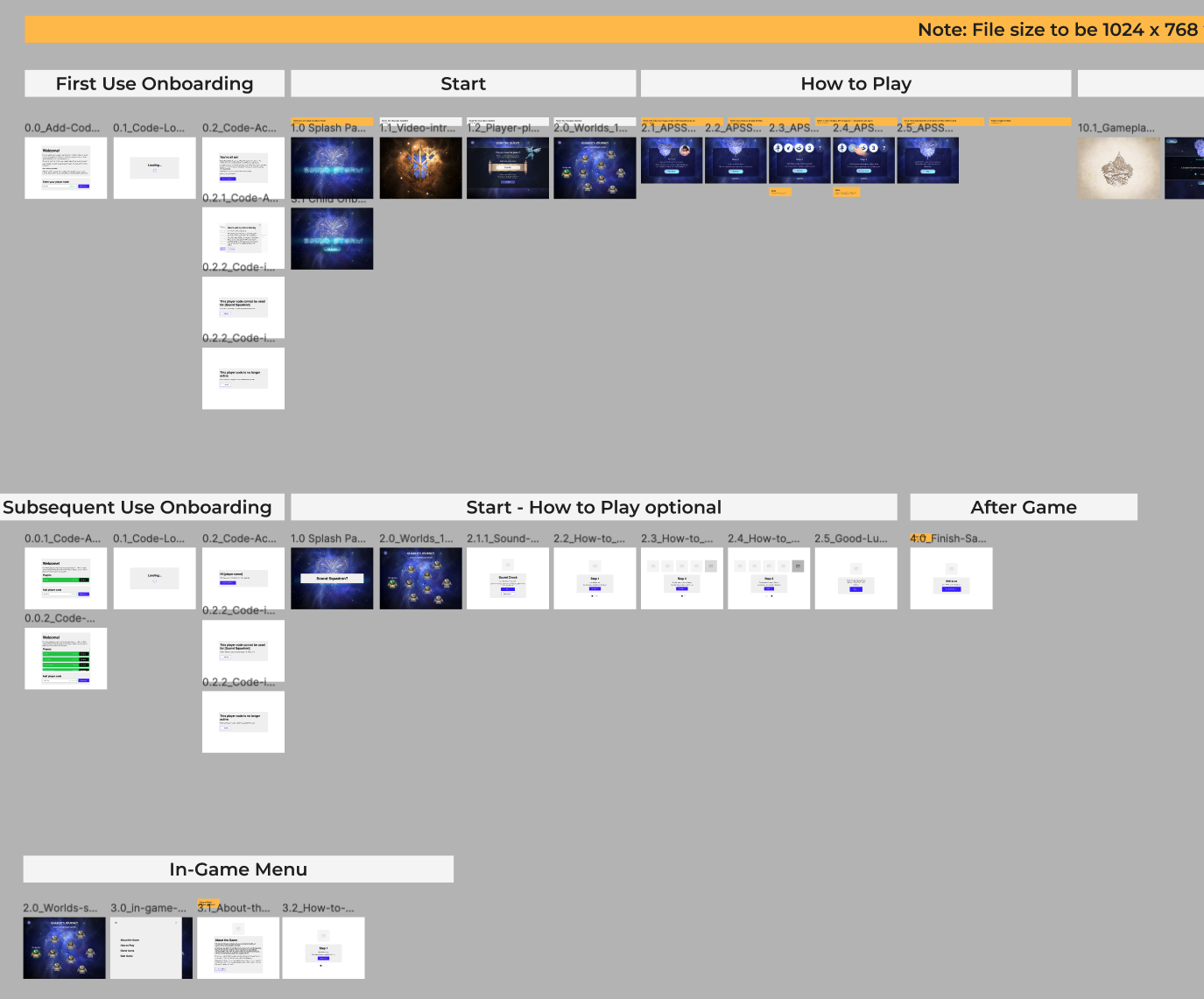
    A screenshot from Figma showing a legacy digital product being updated

    Product Design Approach

    Because this project started with a legacy design, our major design updated is a mix of fact-finding, wireframes for new functionality and updated UI elements to meet modern criteria for resolution and accessibility and to satisfy user needs we learned about over time.

    A Fact-Finding Mission

    A major update of a legacy product, by its nature, often results in going to the vault and finding documentation – what software is used changes over time.

    For this design, the original was delivered in a layered photoshop file, so my own legacy skills came in handy (I first learned Photoshop Version 1 as a teen helping out in my dad’s creative agency)

    Incorporating User Knowledge

    Drawing on the critical user knowledge from team members Kath O’Malley (product owner) and Isaac Nault (product manager), we found the best and most viable UI update together.

    As experience lead, I made sure to incorporate what the team learned from real live users over the years, so we could create an update that is even easier to use and understand than the original.

    As the new app is about to go live in schools around the US, I hope it will help even more children understand their teachers in noisy school environments – a cause that has been dear to my heart. Good luck, Suno!

  • ReachOut PeerChat

    ReachOut PeerChat

    Young people’s mental health and wellbeing is a major concern with almost 40% of 16–24 years old experiencing mental health struggles over the course of a year. Around a third of these young people have not sought professional support. There are numerous systemic barriers that result in an urgent, unmet need for early intervention and youth-centred services for around 1 million young Australians.

    PEERCHAT PARTICIPANT FEEDBACK

     A Young man sending a text message from his home

    Outcomes & Impact

    PeerChat helps hundreds of young Australians each year to overcome systemic mental health support barriers when they need it most.

    PeerChat can reduce distress, increase mental health knowledge, and positively influence the way young people feel about themselves and others. It enhances the wellbeing of young people through connection, understanding, and hope. Its digital, anonymous, and one-on-one nature improves accessibility for our most vulnerable communities. Importantly, it’s an exemplar for the value of people with lived experience to co-produce and deliver safe services that are highly personal while being relevant and inclusive for the diverse nature of humanity.

    Improvement in wellbeing

    Service user rating

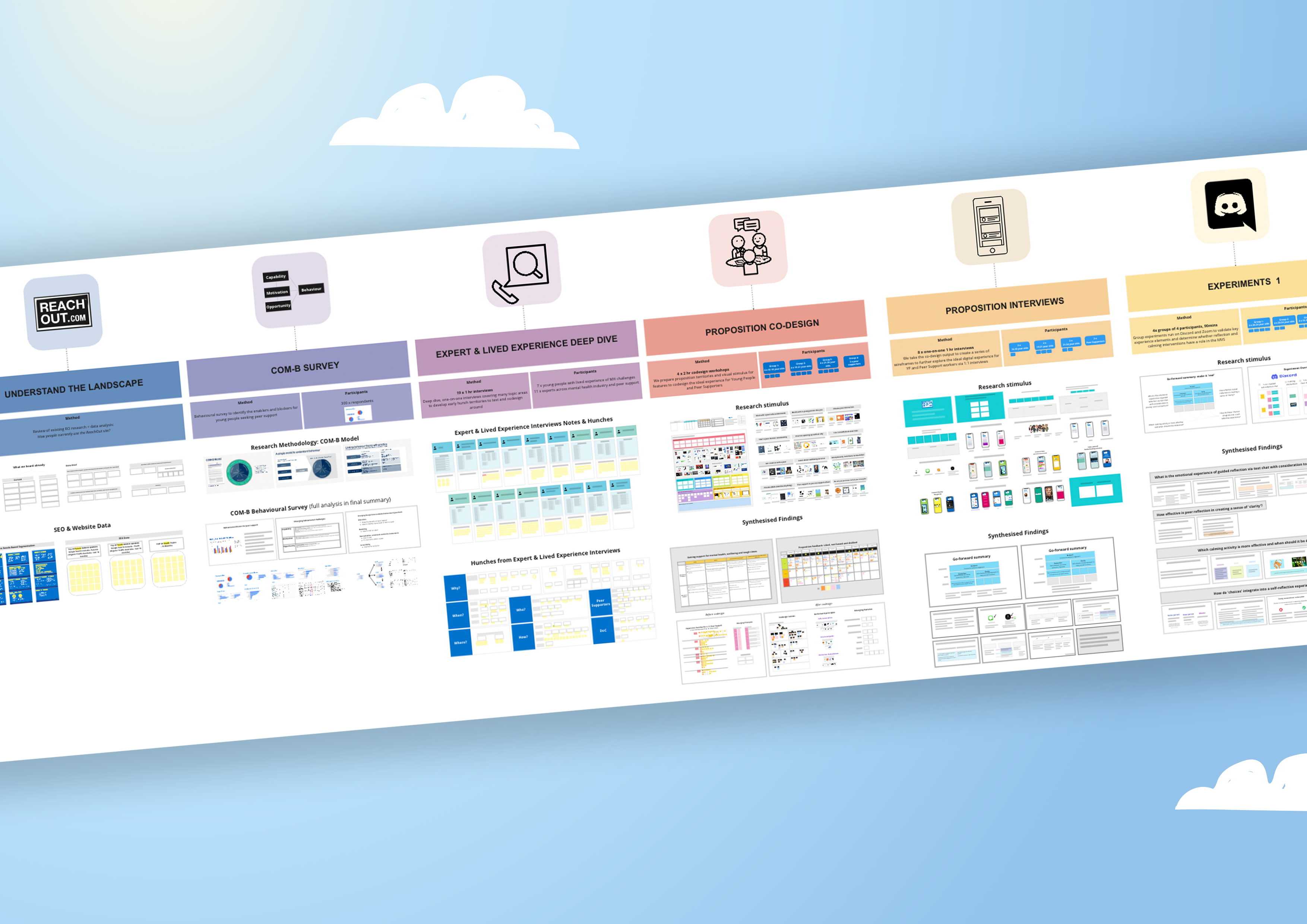
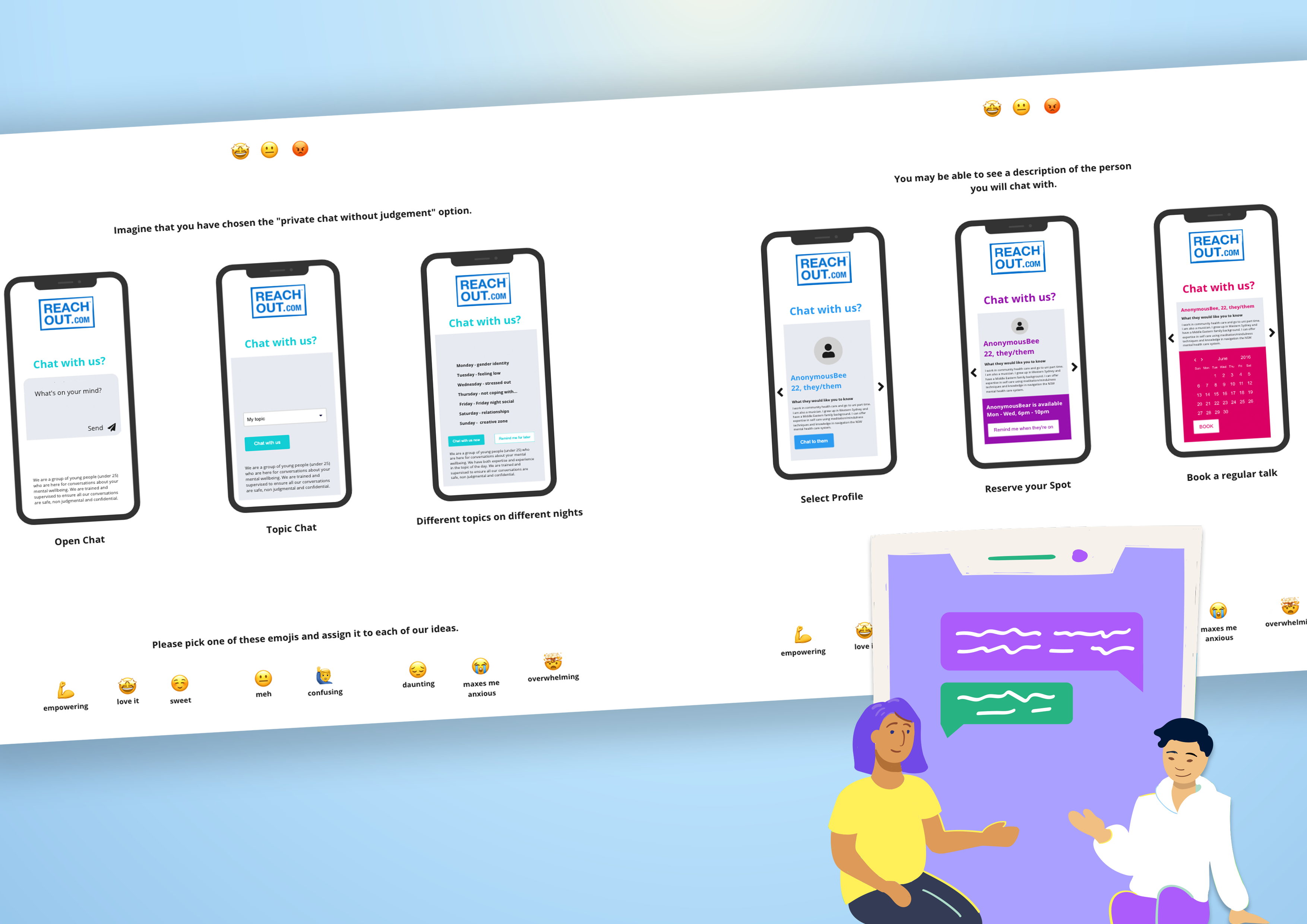
    Working hand in hand with online mental health service ReachOut, Steve Sullivan from How to Impact and myself conducted research into the specific support needs of young people with mental health struggles over a 12-week period. We then developed design guardrails for possible service models, ensuring the creation of a relevant and useful service.

    3 targeted co-design sessions and 2 online service experiments found that what young people needed most was for someone to listen and validate their struggles. One-on-one online chat with a trained peer emerged as their preferred method.

    PeerChat Innovation Research by Eli Brassé and Steven Sullivan

    Innovation Sprints

    Over 7 weeks of innovation focused codesign sprints, we uncovered young people’s support needs for a mental health service design that improves emotional wellbeing.

    Service Design

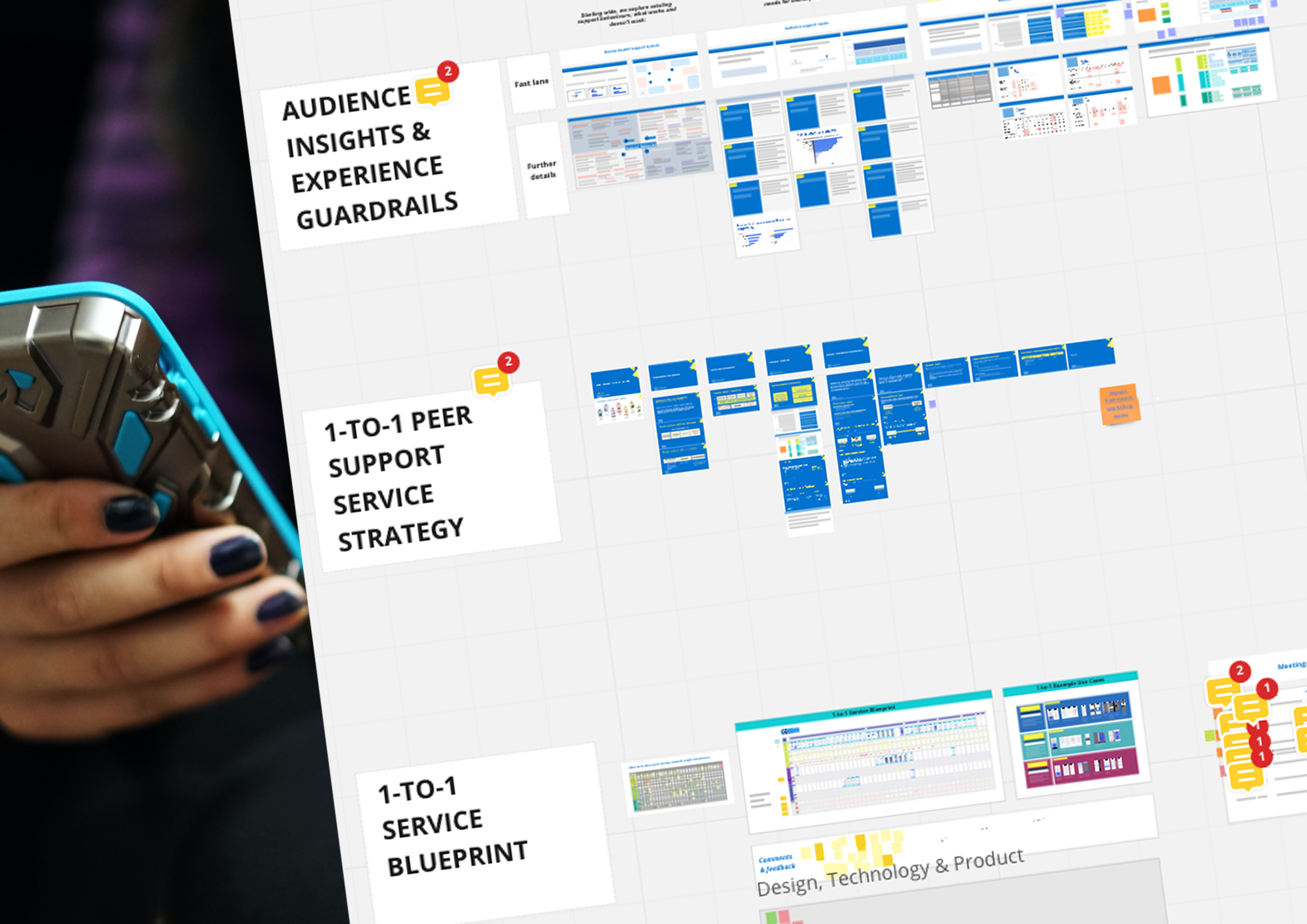
    We codesigned a peer worker service model, involved the peer community in testing and service pilots, and created operational procedures. Steven was the lead on this part of the project.

    PeerChat Service Design by Eli Brassé and Steven Sullivan

    Once the service model was uncovered, I created a blueprint and led the ReachOut team through a codesign process towards an ideal product design. The user experience was, again, tested extensively with young people, and I collaborated with the ReachOut tech team to create final designs that were effective for them to build. Deepend’s Jackie-Lee Hughes contributed to the User Interface design.

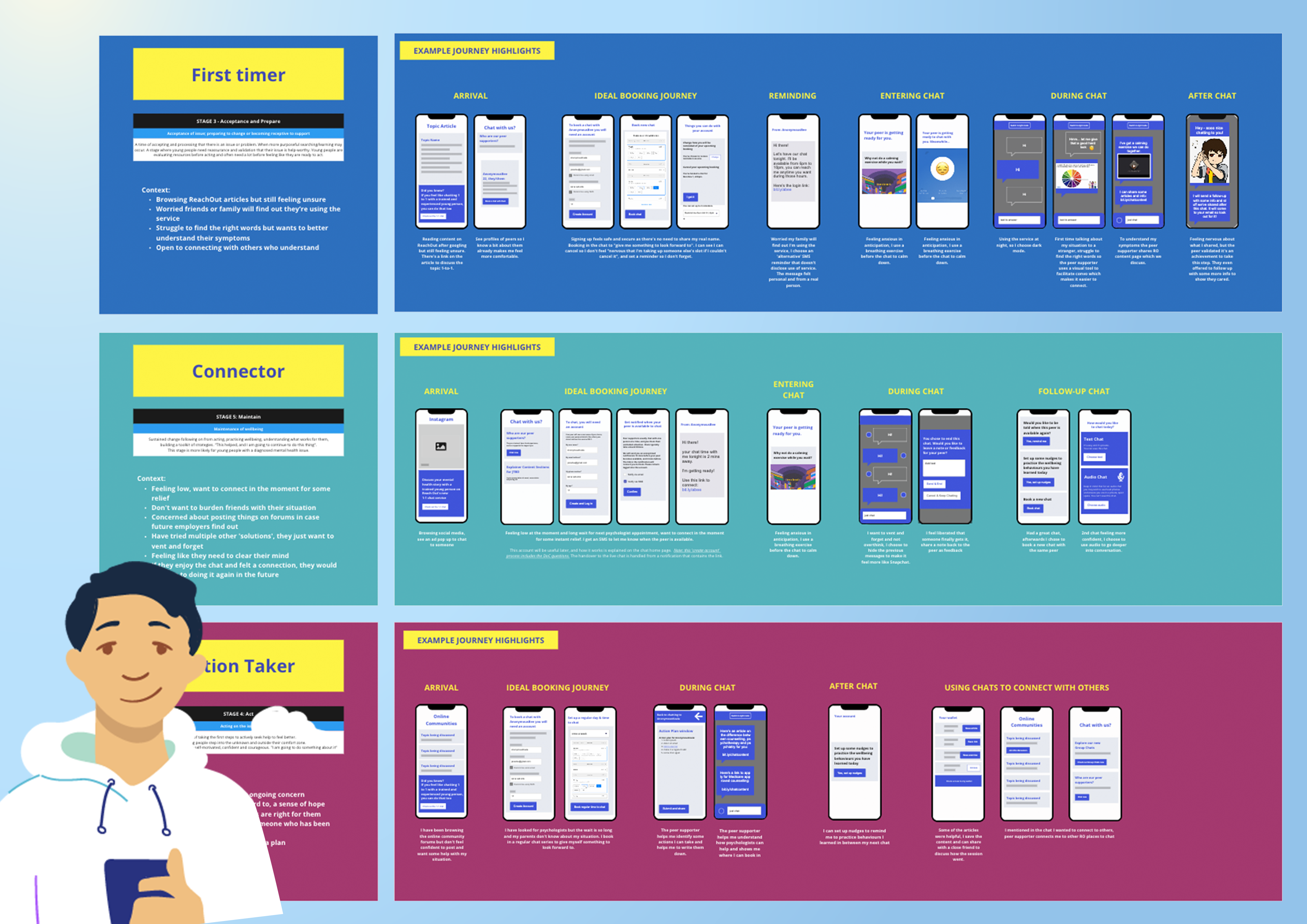
    PeerChat Use Cases by Eli Brassé and Steven Sullivan

    From Insights to Features

    From our co-created design vision and guardrails, we developed three distinct use cases that our service model answers.

    Product Design

    Through prototype-based codesign techniques, we progressively evolved a design with a booking system, onboarding and chat that answer to specific support needs.

    PeerChat Product Design by Eli Brassé and Steven Sullivan
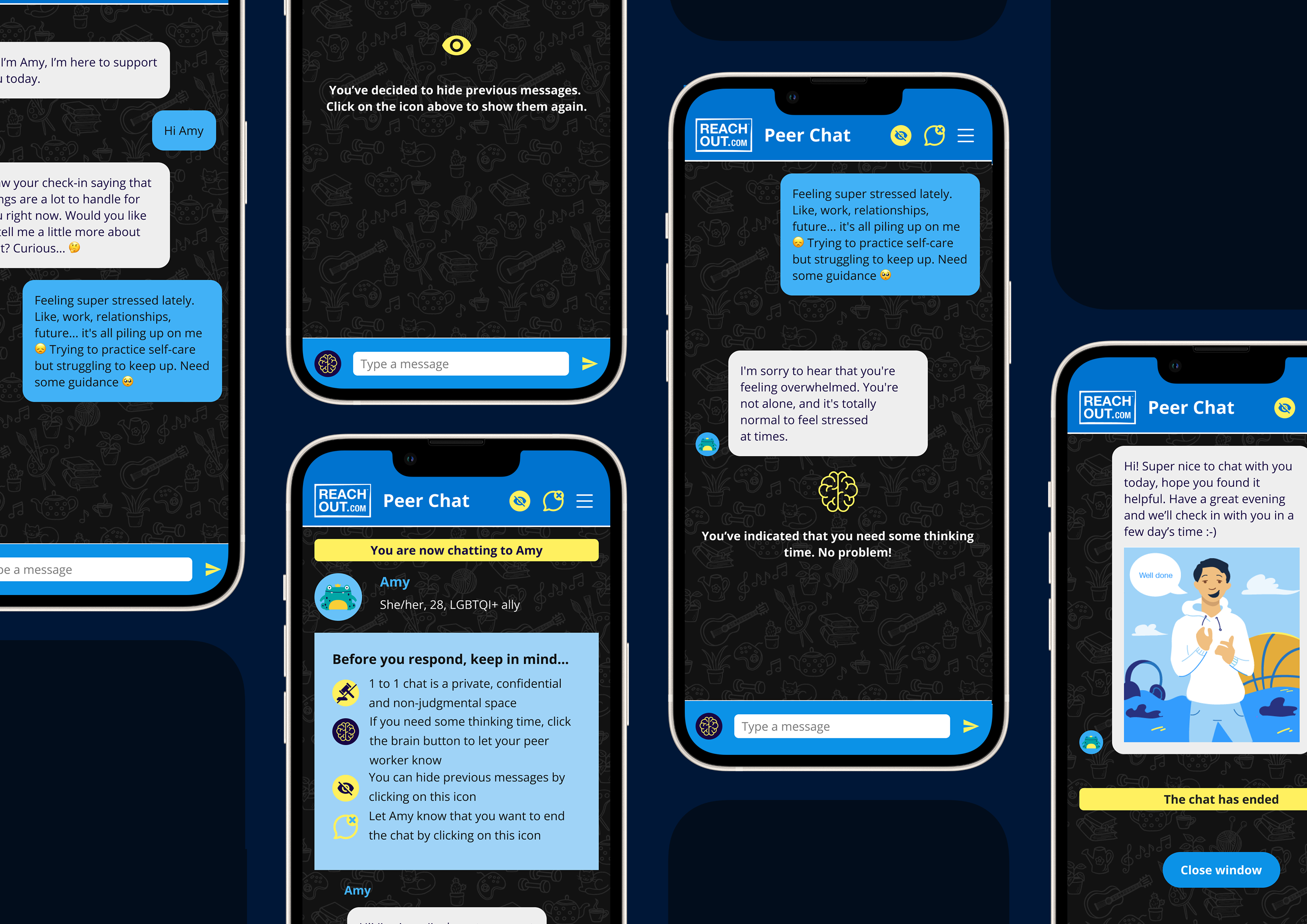
    PeerChat Interface Design by Eli Brassé and Jackie-Lee Hughes

    Text Chat for Better Mental Health

    Our text chat design includes innovative health focused solutions such as the ability to hide previous messages from view to avoid re-triggering and the ‘I’m thinking’ button that gives support seekers time while ensuring supporters are informed that everything is okay.

    PeerChat Interface Design by Eli Brassé and Jackie-Lee Hughes

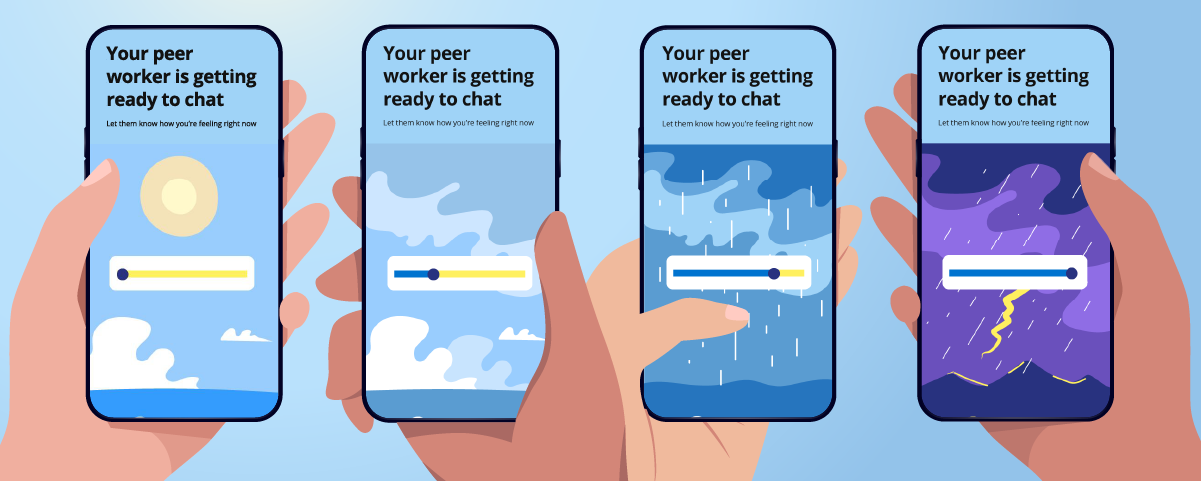
    Emotional Wellbeing by Design

    To ensure that users’ emotional wellbeing is enhanced, we augmented the main chat functions with a variety of innovative designed interventions, such as this calming onboarding interaction that reduces anxiety on starting the support chat.

    Good Design Award Gold Winner 2023

    Good Design Awards

    Service Design
    Gold Winner

    Good Design Award Winner 2023

    Good Design Awards

    Social Impact
    Winner

    Good Design Award Winner 2023

    Good Design Awards

    Digital Design – Apps & Software
    Winner

    Designers Australia Awards 2023

    Designers Australia Awards

    Interact
    Category Winner

  • Sage.fm brand & ux/ui

    Sage.fm brand & ux/ui

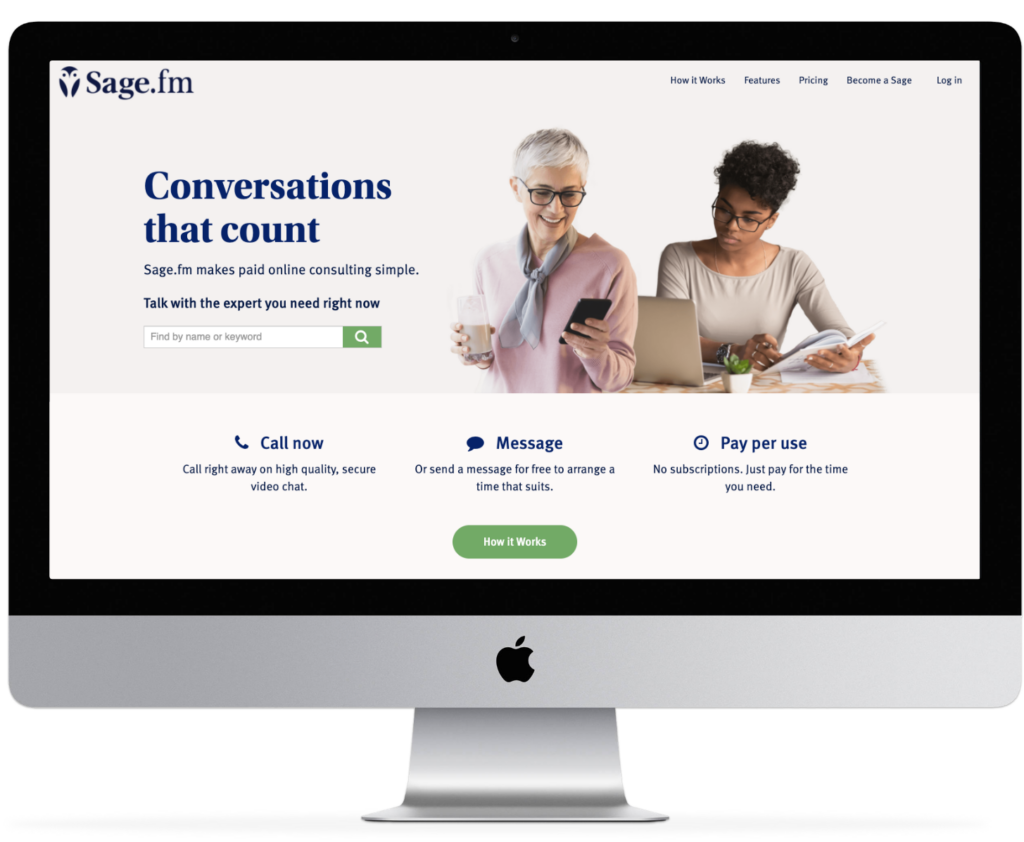
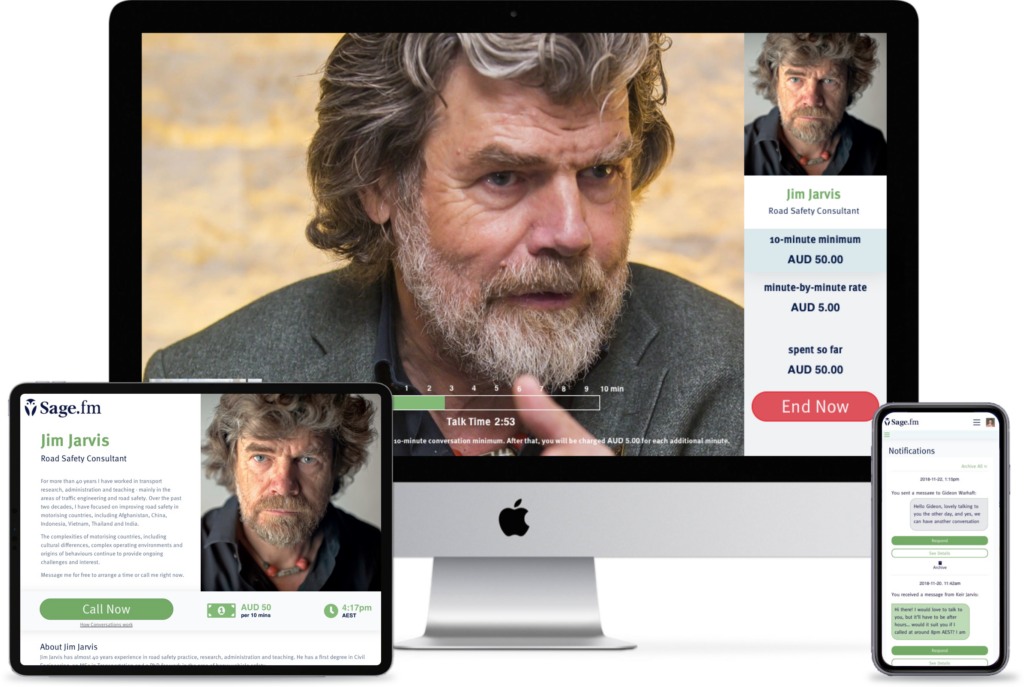
    Sage.fm is an online video conversation platform, connecting experts (Sages) with those valuing their advice (Seekers). Currently, the start-up’s focus is shifting from product development to sales and marketing, with a number of early customers using the platform already.

    The Sage.fm brand is premised on two principles, of elevating the Sages and of creating a brand that is high-end but stays in the background.

    The live conversation is, naturally, at the heart of the platform. The design enables browser-based conversations across all types of devices, while delivering information about time and money spent and more.